Korean Massage and Its Role in Physical Rehabilitation
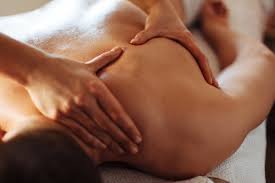
Korean massage is not only a method for relaxation—it is increasingly recognized as a valuable tool in physical rehabilitation. Combining traditional techniques with modern therapeutic understanding, Korean massage supports recovery from injuries, improves mobility, and enhances overall physical function.visit for more details 마사지
Supporting Muscle Recovery
After an injury or surgery, muscles often become tight, weak, or stiff. Korean massage employs targeted pressure, stretching, and joint mobilization to stimulate blood flow and relax muscle fibers. Improved circulation delivers oxygen and nutrients to damaged tissues, accelerating healing and reducing soreness, which is critical in rehabilitation programs.
Enhancing Joint Mobility and Flexibility
Joint stiffness is a common obstacle in recovery. Korean massage techniques include gentle mobilization and stretching of joints, which help restore range of motion and prevent long-term rigidity. Regular therapy can support better posture, improved alignment, and smoother movement patterns, all of which are essential for functional recovery.
Pain Relief Without Medication
One of the key advantages of Korean massage in rehabilitation is its ability to alleviate pain naturally. Pressure point stimulation and deep tissue techniques can reduce muscle spasms and discomfort without relying on pharmaceuticals. This approach supports safer, drug-free recovery and helps patients avoid potential side effects associated with long-term pain medication.
Improving Circulation and Lymphatic Flow
Efficient circulation is essential for tissue repair. Korean massage promotes blood and lymph flow, helping remove metabolic waste and reduce inflammation. Enhanced circulation also supports the immune system, which is particularly important for individuals recovering from surgery, injury, or chronic conditions.
Mental and Emotional Benefits
Physical rehabilitation can be stressful and mentally challenging. Korean massage contributes to emotional well-being by reducing stress, promoting relaxation, and boosting mood. Patients often experience a greater sense of control over their recovery process, which can enhance adherence to rehabilitation programs.
Complementary Role in Comprehensive Therapy
Korean massage works best when integrated into a broader rehabilitation plan. Combined with physical therapy exercises, stretching routines, and medical guidance, it can optimize recovery outcomes. The holistic approach addresses both the physical and emotional aspects of healing, making rehabilitation more effective and sustainable.
Conclusion
Korean massage plays a significant role in physical rehabilitation by supporting muscle recovery, improving joint mobility, relieving pain, and enhancing circulation. Its holistic benefits extend to emotional well-being, helping patients recover not just physically but mentally. For those undergoing rehabilitation, incorporating Korean massage can be a natural, effective, and complementary approach to achieving full recovery.
If you want, I can also create a step-by-step guide showing how Korean massage can be incorporated into a weekly rehabilitation plan, which can be practical for patients or therapists. Do you want me to do that?