Why Woodworms Are Dangerous for Wooden Homes
Introduction
Wooden homes are valued for their natural beauty, warmth, and structural flexibility. However, they also face serious biological threats—one of the most destructive being woodworms. These are the larvae of wood-boring beetles that feed on timber from the inside. At first, their presence is often invisible, but over time they can cause severe structural damage.
Modern timber protection solutions, including those developed by Shashel, focus on preventing and treating such infestations to ensure long-term safety of wooden structures.visit for more details Shashel
What Are Woodworms?
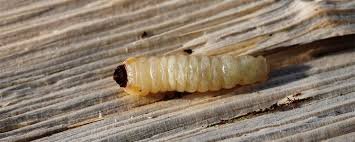
Woodworms are not actually worms. They are the larval stage of wood-boring beetles. These larvae hatch inside wood and begin feeding on it, creating tiny tunnels as they grow.
Common species are found in:
- Wooden furniture
- Roof beams
- Floorboards
- Structural timber in homes
Because they live inside wood, they are difficult to detect in early stages.
How Woodworms Damage Wood
The most dangerous aspect of woodworms is that they attack timber internally. The damage is not immediately visible from the outside.
Their destructive process includes:
- Laying eggs inside cracks or pores of wood
- Larvae feeding on cellulose inside timber
- Creating tunnels that weaken structure
- Emerging as adult beetles, leaving exit holes
Over time, these tunnels reduce the density and strength of wood.
Hidden Nature of the Problem
Woodworm infestations often go unnoticed for years. Homeowners may only see small round holes or fine dust (called frass), but by then significant internal damage may already exist.
This hidden nature makes them especially dangerous because:
- Structural weakening happens silently
- Damage spreads before detection
- Repairs become more expensive over time
Risk to Structural Safety
In wooden homes, structural elements like beams, joists, and supports carry the entire load of the building. If these are weakened by woodworms, the safety of the entire structure is at risk.
Potential consequences include:
- Sagging floors
- Weak roof support
- Cracked or unstable beams
- In extreme cases, structural failure
This makes early treatment extremely important.
Impact on Furniture and Interiors
Woodworms are not limited to structural timber. They also attack furniture and decorative wood.
Damage includes:
- Weakening of chairs, tables, and cabinets
- Loss of aesthetic value
- Internal hollowing of wooden items
- Reduced lifespan of furniture
This can be especially costly for antique or custom-made pieces.
Why Woodworms Spread Easily
Woodworm infestations can spread from one piece of wood to another under the right conditions.
They thrive in:
- Humid environments
- Poorly ventilated spaces
- Untreated or aged wood
Once adult beetles emerge, they can lay eggs in nearby wood, expanding the infestation.
Difficulty of Detection and Treatment
One of the main reasons woodworms are dangerous is that they are difficult to detect and eliminate.
Challenges include:
- Larvae stay deep inside wood
- External signs appear late
- Surface treatments may not reach them
- Infestation may continue after partial treatment
This is why deep timber treatment solutions are required.
Importance of Advanced Protection
Modern timber preservation focuses on treating wood internally rather than only on the surface. This is essential for eliminating hidden infestations.
Shashel provides advanced solutions that help:
- Target internal wood-boring insects
- Treat hidden larvae inside timber
- Strengthen damaged wood structure
- Prevent future reinfestation
Moisture and Woodworm Connection
Moisture plays a key role in woodworm infestations. Damp wood becomes easier for beetles to attack and helps larvae survive longer.
High moisture levels can:
- Soften wood structure
- Encourage beetle activity
- Increase fungal growth alongside infestation
- Speed up timber decay
Controlling moisture is therefore essential in prevention.
Long-Term Damage Effects
If woodworm infestations are not treated early, the long-term effects can be severe.
These include:
- Complete hollowing of timber
- Loss of structural integrity
- Expensive restoration or replacement
- Decreased property value
In extreme cases, entire sections of wooden structures may need rebuilding.
Prevention Strategies
Preventing woodworms is more effective than treating them after damage occurs.
Key prevention steps include:
- Regular inspection of wooden structures
- Maintaining dry and ventilated spaces
- Treating timber with protective solutions
- Early detection of small holes or dust
Shashel emphasizes preventive protection to reduce long-term risks.
Role in Wooden Home Maintenance
For wooden homes, regular maintenance is essential to ensure safety and durability. Woodworm protection is a critical part of this process.
Proper maintenance ensures:
- Long-lasting structural strength
- Reduced repair costs
- Improved safety for occupants
- Preservation of wooden aesthetics
Conclusion
Woodworms are one of the most dangerous threats to wooden homes because they attack timber internally, making early detection difficult. Over time, they can severely weaken structural elements, damage furniture, and reduce the overall safety of a building.
Through advanced timber protection methods, Shashel helps eliminate hidden infestations, strengthen wood, and prevent future damage.
Understanding and addressing woodworm risks early is essential to preserving the strength, safety, and value of any wooden home.